


Your PMS Is Not Your Operations System. Here Is What Is.
Mews, Cloudbeds, Opera, Little Hotelier, every PMS in the boutique segment is excellent at the thing it was built for. None of them are an operations system, and the gap is bigger than most operators realize until they look at it directly.

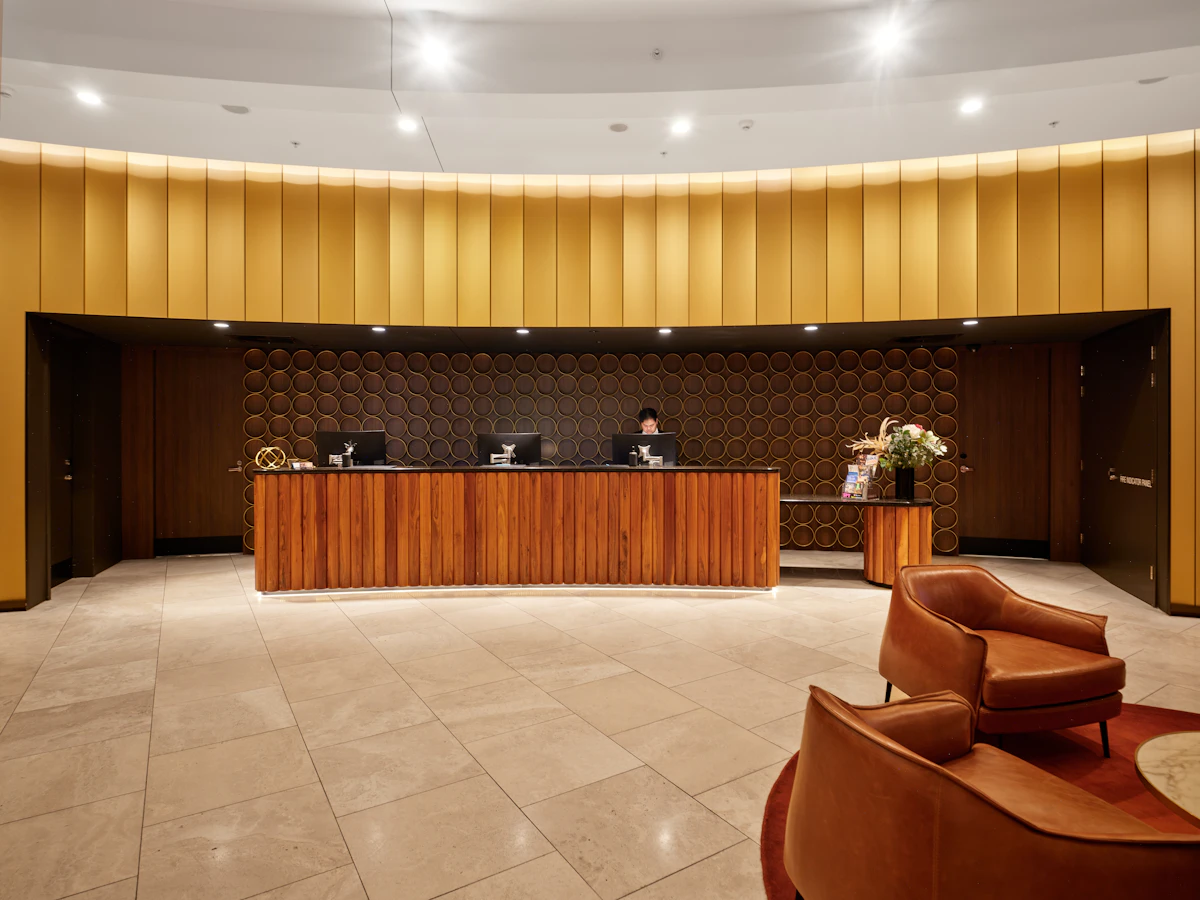
Ask a boutique hotel operator what software runs their property and the answer is almost always the PMS. Mews, Cloudbeds, Opera, Little Hotelier, RoomRaccoon, Cloudbeds, Hotelogix, whichever name they say, the operator thinks of it as the system. They were sold it as the system.
It is not the system. It is one system. And the gap between what the PMS does and what running a hotel actually requires is wider than most operators have time to map out, until the day they try to find last winter’s wedding contract, or chase down the warranty on a dead kitchen unit, and realize the PMS does none of that.
What a PMS is actually for
Property management systems are excellent at one job and adjacent to a few others. The core job is reservations: availability, rates, the booking record, the folio, the room assignment, the night audit, the check-in and check-out. The adjacent jobs are channel management (distributing inventory to the OTAs), payments (tokenizing the card on file), and the most basic guest record (name, stay history, notes).
Every modern PMS does these things competently. The good ones do them very well. Mews has a beautiful UI. Cloudbeds has a deep integration catalog. Opera has the deepest enterprise feature set. Little Hotelier has the cleanest small-property pricing. Picking among them is a real decision and we are not here to weigh in on it.
We are here to say this: whichever one you pick, it covers the reservation surface and a little around it. Everything else at your property is, by default, off-system.
What lives off the PMS
Take an honest inventory of what actually happens at a boutique property in a week, and look at how much of it the PMS touches:
- Maintenance work orders. The chipped tile in 312, the dripping faucet in 207, the lobby chair with the wobbly leg. Your PMS does not have a ticket system. The PMS housekeeping module, if it has one, tracks room status, not engineering tasks.
- Event and catering inquiries. The wedding party for August, the corporate offsite, the private dinner in the back room. Inquiry, proposal, revisions, signed contract, invoice. None of this lives in the PMS. Most boutiques run it in Word and email.
- Vendor records. Your plumber, your electrician, your linen supplier, your food vendor, your locksmith, your pest control. Contacts, contract terms, last-called dates. Your PMS does not know any of this exists.
- Equipment, warranties, and IT records.The kitchen units with their serial numbers and warranty dates. The Wi-Fi credentials for each network. The portal logins for every vendor service. None of this lives in the PMS.
- Digital signage. Every screen at the property, lobby boards, breakroom displays, pool deck signs, meeting room screens. The PMS does not run any of them.
- Guest arrival information. The Wi-Fi password, the restaurant menus, the spa hours, the neighborhood guide, the printable QR card in every room. Most PMS guest portals do a watered-down version of this if they do it at all.
- Floor plans, brand assets, document storage. The hotel’s evacuation map, the brand guidelines, the licensed photos for marketing use, the supplier contracts. All of it lives in someone’s Drive folder.
This is what we mean when we say the PMS is not your operations system. The reservation surface is one slice of running a hotel. The list above is the rest of it, and it is the part that consumes most of a boutique GM’s week.
What an operations system is, then
An operations system is the layer that handles everything above. It does not replace the PMS. It does not sync with the PMS. It does not need to. The PMS owns reservations and the data that hangs off them; the operations system owns everything else, and the two coexist without one trying to be the other.
Concretely, an operations system holds your maintenance tickets, your event pipeline, your vendor directory, your equipment and warranty records, your Wi-Fi and portal credentials, your floor plans and brand assets, your digital signage, your branded guest arrival pages, your unified team access, all in one place, with one login, on one flat per-property bill.
The way to know whether you have one already is to ask a simple question: when something on the property breaks, fails an inspection, or needs to be coordinated across staff, where does the team go first? If the answer is “to a Drive folder, a WhatsApp thread, or a binder behind the front desk,” you do not have an operations system. You have a PMS and a stack of improvisations around it.
Why this matters now
For 20 years, the gap between PMS and operations was the cost of doing business at a boutique. Filling it meant either paying for half a dozen standalone tools with bad pricing for small properties, or running it on paper and spreadsheets. Most operators chose the paper-and-spreadsheets path. It was rational.
In 2026 it is no longer rational, for two reasons. First, the operational tax of running off paper has gone up, staff turnover is faster, guest expectations are higher, and the cost of a missed maintenance ticket in a review-driven market is measurable in revenue. Second, the cost of buying a unified operations layer has come down to a number that fits inside a real boutique software budget.
The properties that figure this out first do not replace their PMS. They keep it, because it is good at what it does. They add an operations layer next to it, for everything else, and they spend the next two years watching the gap widen on the properties still patching spreadsheets onto a PMS.
Picking one
If you are evaluating an operations system, three things matter more than the feature checklist. First, the pricing should be per-property, not per-seat or per-screen, because the alternative re-creates the budget problem that put you in spreadsheets in the first place. Second, the surface should be unified rather than a marketplace of integrations, because every integration is a tax on your team. Third, it should not pretend to be a PMS, if a vendor’s answer to “do you sync with Mews?” is “we replace it,” walk away. The good ones sit next to your PMS, not on top of it.
The PMS owns the booking. The operations system owns the rest. Both can be excellent at their respective jobs without one trying to swallow the other. That is the back office every boutique should be running on.